 English
 Arabic
 French
 Deutsch
 Turkish
 Dutch
Dutch
 Italiano
 Russian
 Romaian
 Greek
Greek

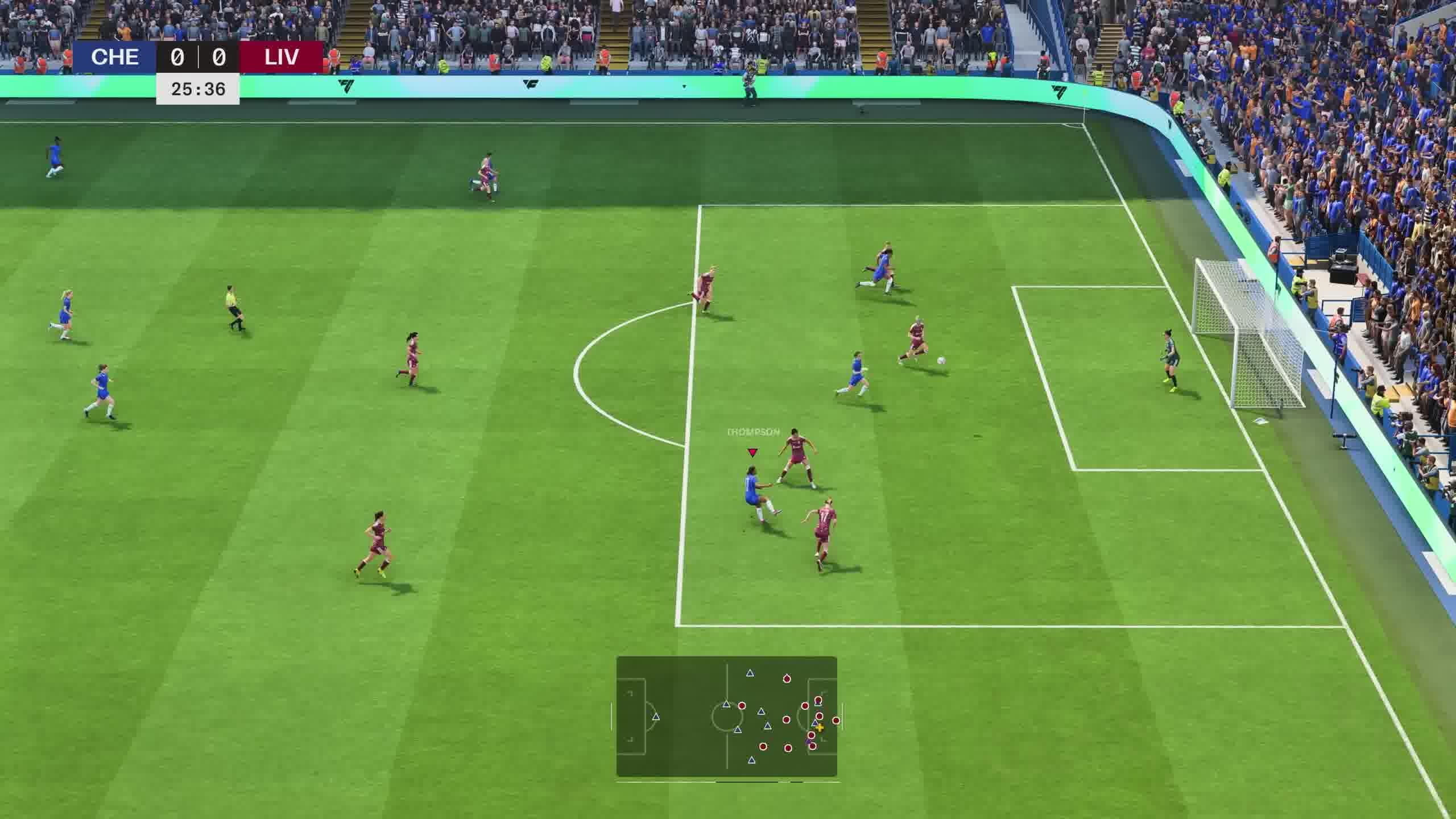
Football management has always required more than choosing a starting lineup. Real clubs must balance player development, contracts, wages, transfer fees, scouting, and long-term finances. EA Sports FC 27 aims to bring more of that complexity into Manager Career mode through its described partnership with TransferRoom.
The result is a version of career mode in which financial decisions become central to sporting success.
In older football games, transfer negotiations could sometimes feel like a straightforward shopping exercise. Identify a talented player, make an offer, increase the bid if necessary, and complete the deal. FC 27's redesigned approach is intended to make the process more complicated and realistic.
A club's financial position matters.
Managers must consider not only transfer fees but also salary structures, contract clauses, potential buy-back arrangements, and the consequences of relegation. A player who looks affordable on a transfer fee can become expensive once wages and long-term commitments are included.
This creates a financial planning problem.
Imagine a club with a limited budget and several weaknesses. The manager could spend heavily on one elite player, but doing so may leave insufficient resources to strengthen the rest of the squad. Alternatively, the club could distribute its resources among several younger players, accepting that immediate quality might be lower in exchange for long-term development potential.
That is essentially a capital allocation decision.
The described TransferRoom integration adds another layer by introducing more realistic transfer dynamics and club-to-club communication. Rival AI clubs are expected to negotiate more aggressively, potentially using multi-day bidding strategies and contract mechanisms designed to protect their interests.
This matters because it removes the idea that the computer-controlled opposition is merely waiting for the user to make an offer.
Instead, rival clubs become economic actors.
A manager might have to decide whether to accept an unexpectedly high offer for a star player. Keeping the player could improve results, but accepting the transfer could provide the funds necessary to rebuild multiple positions. There is no universally correct answer because the decision depends on the club's objectives and financial situation.
Long-term planning becomes equally important.
Salary commitments can create problems several seasons into a career. A manager who repeatedly offers large contracts may construct a strong squad today while creating an unsustainable wage structure tomorrow. Board expectations can then become an additional source of pressure.
This makes career mode feel less like a simple tactical simulation and more like running a football organization.
The economic philosophy connects naturally with the wider FUT 27 Coins ecosystem. While FUT focuses heavily on market value and virtual asset management, Career mode focuses on institutional finances. One system asks players to think like traders; the other asks them to think like executives.
The comparison is particularly useful because both reward planning.
In FUT, a user might decide whether to hold an asset or sell it. In Career mode, a manager might decide whether to retain a player or accept a transfer offer. In both cases, the immediate decision must be evaluated against future consequences.
The introduction of more sophisticated financial mechanics also gives player development greater significance. A young player can represent not merely a talented footballer but a long-term investment. Developing that player may increase the club's sporting strength and potentially its future transfer value.
This creates a virtuous cycle when managed correctly. Strong development can improve results, stronger results can improve the club's position, and improved financial circumstances can create additional opportunities.
It can also work in reverse. Poor financial decisions can create wage problems, weaken the squad, and trigger board dissatisfaction.
For players who enjoy strategy, this may be one of the most significant improvements in FIFA 27 Coins. Manager Career becomes less about collecting famous names and more about creating a sustainable football institution.
That change also reflects the reality of modern football. The best managers and sporting directors cannot separate tactical ambition from financial discipline. Every transfer has consequences, every contract creates obligations, and every squad-building decision affects the future.
FC 27's Career mode attempts to capture that interconnected reality. The result could make managing a club feel less like controlling a roster and more like leading a complex organization where every decision has a price.