 English
 Arabic
 French
 Deutsch
 Turkish
 Dutch
Dutch
 Italiano
 Russian
 Romaian
 Greek
Greek

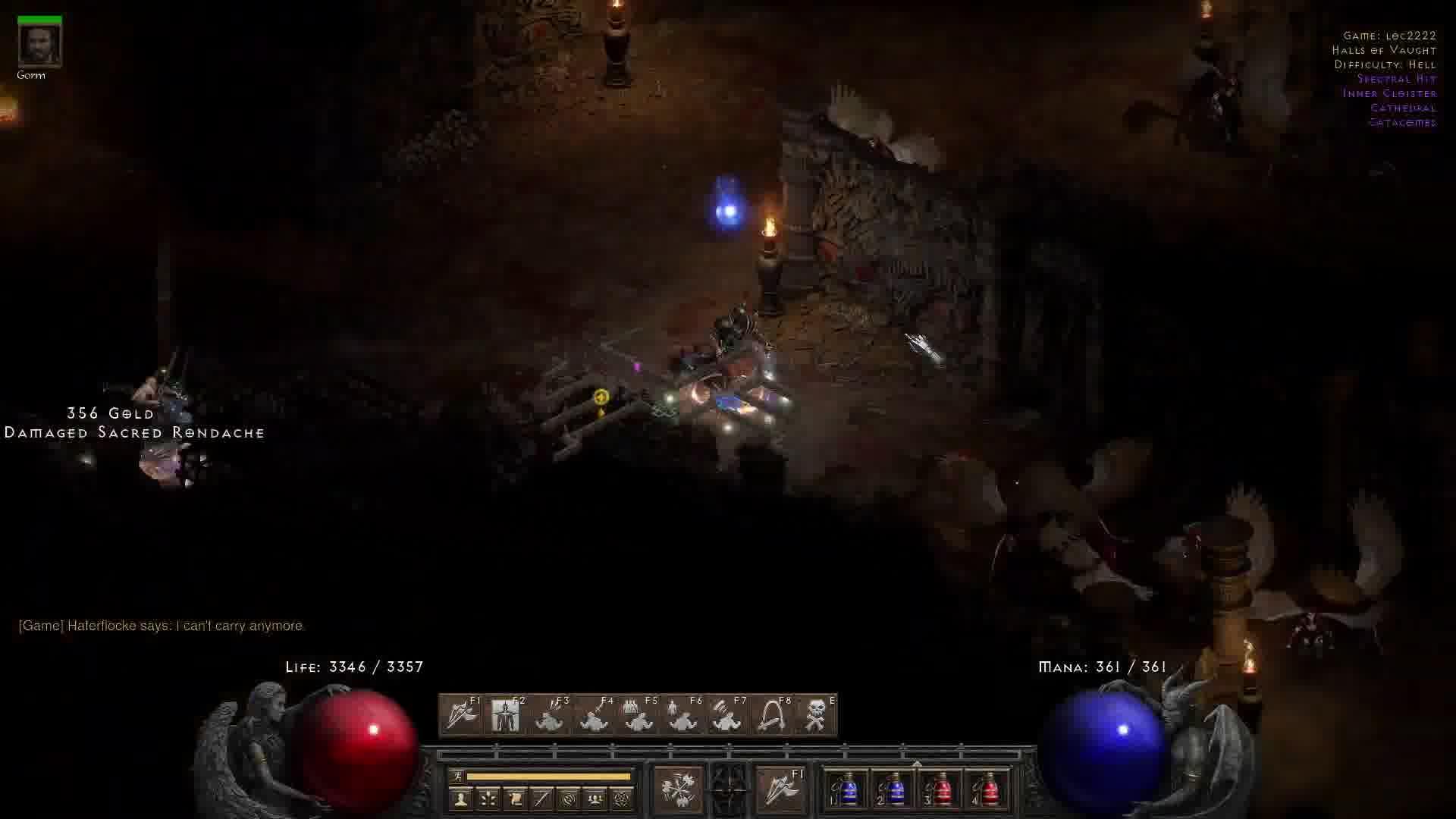
Diablo II: Resurrected continues to demonstrate why some games transcend their era and become permanent landmarks in gaming history. Originally released in 2000, Diablo II established many of the conventions that would define the action role-playing genre for decades. Its remastered edition preserves the mechanical foundation that made the original legendary while presenting Sanctuary through dramatically upgraded visuals, sound, and modern platform support. The result is a game that feels simultaneously nostalgic and remarkably relevant.
At the heart of the experience is a simple but endlessly compelling objective: defeat monsters, find better equipment, become stronger, and venture into increasingly dangerous areas. What makes this formula special is the extraordinary depth hidden beneath its apparent simplicity. Every enemy encounter has the potential to produce something valuable, and every chest, champion pack, or boss can become the beginning of a completely new character-building possibility.
The itemization system is arguably D2R's greatest achievement. Loot comes in multiple categories, including normal, magic, rare, set, unique, and exceptional or elite equipment. The enormous combination of statistics, affixes, sockets, and item types means that two characters using the same class can have dramatically different equipment strategies. A seemingly ordinary item can become valuable because of an unusual combination of attributes, while an iconic Unique item can completely transform the way a character performs.
This is one reason the search for D2R Items remains such an important part of the game's identity. Players are not merely looking for higher numbers. They are searching for equipment that completes a specific build, improves survivability, unlocks a new skill interaction, or makes a difficult farming route substantially more efficient. The hunt itself becomes the central reward.
The modern remaster also provides an impressive visual transformation. Blizzard rebuilt the game's presentation with a fully realized 3D engine while retaining the underlying gameplay structure. Dark forests, ruined castles, forgotten tombs, and demonic strongholds have far greater visual detail than before. Spell effects illuminate the battlefield, monster models are significantly more detailed, and environmental lighting creates a much stronger sense of atmosphere.
Yet D2R never forgets where it came from. Players can switch between the modern presentation and the classic visual experience, creating an unusual bridge between two generations of gaming. Seeing the same location in both styles makes the achievement of the remaster particularly impressive. The original game's atmosphere remains intact despite the dramatic technological upgrade.
Quality-of-life improvements also make the experience more comfortable without eliminating the game's demanding nature. Shared stash functionality makes transferring equipment between characters much easier. Automatic gold pickup reduces unnecessary inventory management, while controller support provides another way to experience the game. Cross-progression further allows players to continue their journey across supported platforms.
The game's seasonal structure gives the community another reason to return. Ladder seasons periodically create new beginnings, encouraging players to start fresh characters and compete for progression. The reset also revitalizes the game's economy and creates excitement around early-season item discovery. Experienced players can race toward level 99, experiment with new builds, or simply enjoy rebuilding a favorite character.
For those seeking an even greater challenge, Hardcore mode dramatically changes the emotional stakes. Death is permanent, which means every decision matters. Resistance management, positioning, monster abilities, and escape strategies become essential. A character that feels almost invincible in normal play can disappear instantly after one careless mistake.
The variety of character classes adds another dimension to D2R's longevity. The Sorceress offers powerful elemental magic and mobility, the Necromancer can command armies of undead creatures, and the Assassin combines traps with martial arts. Other classes provide their own distinct combinations of skills and equipment, creating a huge range of possible builds.
Ultimately, Diablo II: Resurrected succeeds because it respects the fundamentals of the original while making the experience more accessible to modern players. Its dark atmosphere, meaningful progression, unpredictable loot, and strategic combat remain compelling years after the original formula was established.
For players who enjoy discovering powerful gear, the temptation to Diablo II Resurrected Items may seem appealing, but the game's greatest satisfaction often comes from finding a coveted item personally. That moment of seeing an unexpected Unique or valuable Rune drop remains one of D2R's defining pleasures.
Diablo II: Resurrected is more than a visual remaster. It is a preservation of a design philosophy built around discovery, experimentation, danger, and reward. Sanctuary remains dark, unforgiving, and endlessly inviting—and that is precisely why the game continues to matter.