 English
 Arabic
 French
 Deutsch
 Turkish
 Dutch
Dutch
 Italiano
 Russian
 Romaian
 Greek
Greek

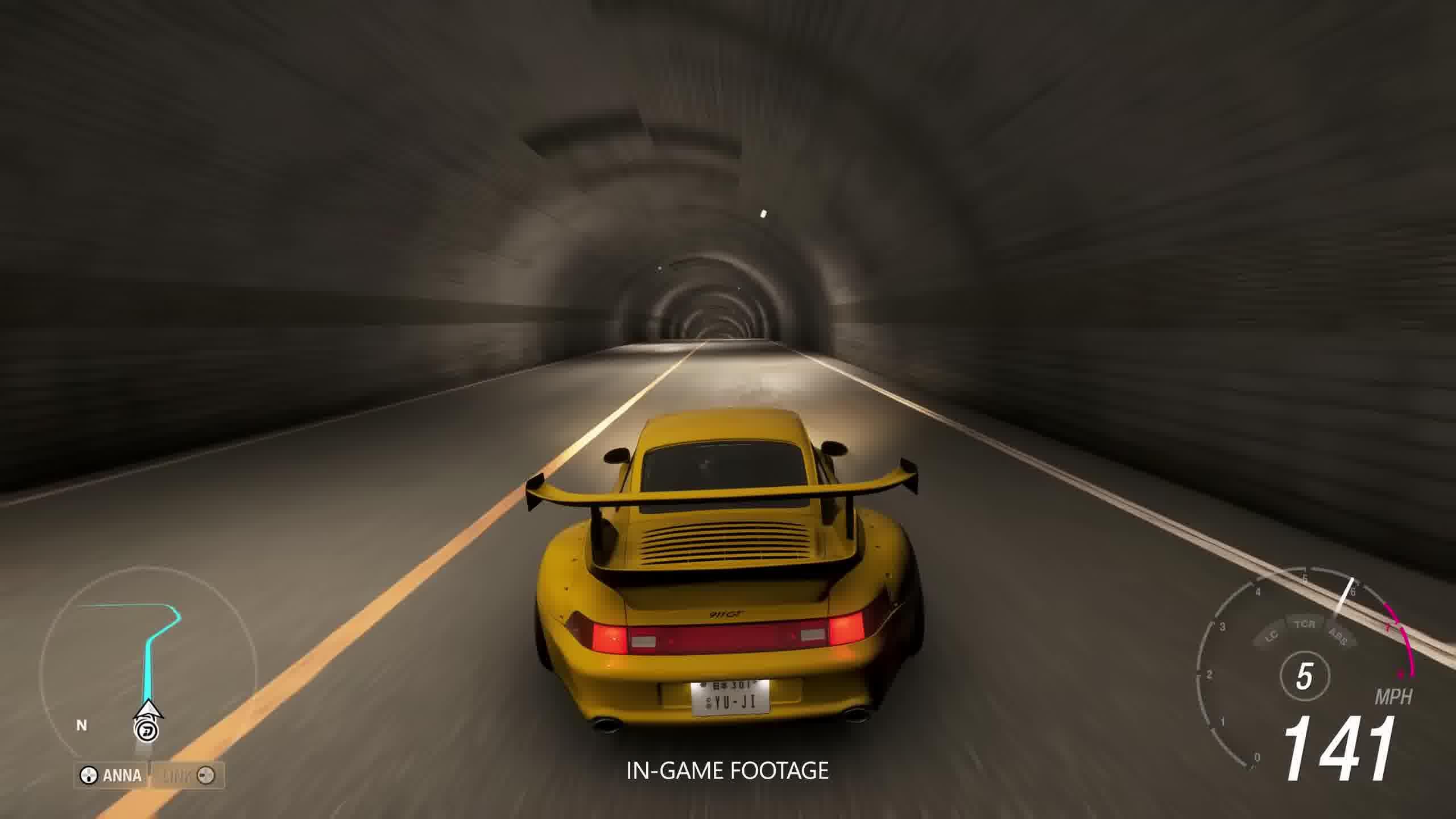
Forza Horizon 6 represents a dramatic transformation of the open-world racing formula, turning the series into something much larger than a collection of races connected by roads. Set across a richly detailed interpretation of Japan, the game places player creativity, mechanical depth, cultural exploration, and social interaction at the center of the experience. Released on May 19, 2026, for PC and Xbox Series X|S, it abandons previous console generations and uses that transition to build a more ambitious automotive sandbox.
One of the most important changes is the game's approach to driving physics. Previous entries in the franchise successfully balanced accessibility and simulation, allowing newcomers to enjoy high-speed driving while giving experienced players considerable control over tuning and handling. Forza Horizon 6 pushes that philosophy further. The game's elevation-based environment requires the physics system to account for substantial changes in terrain, grip, traction, and vehicle behavior.
Japan provides an especially interesting environment for this approach. Drivers can move from coastal roads to dense urban streets and eventually climb toward colder mountain environments. Each transition changes the demands placed on the vehicle. A setup that works perfectly on a smooth highway may become difficult to control on a technical mountain pass. Tire grip, braking, weight distribution, and throttle control become increasingly important as the roads become narrower and more challenging.
The game's steering improvements are another major step forward. Expanded steering animations support up to 540 degrees of wheel rotation, giving dedicated wheel users greater responsiveness and a more convincing connection between their physical controls and the virtual vehicle. Combined with the deeper physics model, this creates an experience capable of accommodating both casual players and enthusiasts who enjoy carefully managing every aspect of a car's behavior.
Sound also receives a major overhaul. Engine audio dynamically responds to performance modifications, meaning that mechanical upgrades can change the acoustic character of a vehicle. Exhaust changes and turbocharger installations are therefore not simply statistical improvements. They contribute to the identity of a customized build, making each car feel more individual.
Another major pillar of the game is community creativity. The Horizon CoLab system transforms the environment into a collaborative construction space. Players can work together in real time to create custom racing environments rather than simply placing a few objects along developer-created routes. Friends can construct neon-lit drift parks in Tokyo, obstacle courses across rural landscapes, or elaborate drag-racing environments around industrial areas.
This creative freedom significantly expands replayability. Instead of depending exclusively on developer-produced content, the world can continuously evolve as players create new challenges. The community effectively becomes another development force, producing new experiences that can keep the game feeling fresh.
Social interaction is similarly integrated into the world. Player-owned garages become more than storage spaces. They function as meeting places where friends can display vehicles, tune cars together, and organize spontaneous events. The transition from socializing to racing is designed to feel seamless, reducing the interruptions traditionally associated with multiplayer matchmaking.
For players interested in Forza Horizon 6 Modded Accounts, the broader appeal is the emphasis on personal vehicle identity and customization. The game encourages players to treat their cars as creative projects rather than merely performance tools. Every modification can contribute to a distinct visual, mechanical, or acoustic personality.
The game also creates a broader automotive journey through its wristband progression system and specialized driving clubs. Rather than covering the map with endless repetitive objectives, players can focus on different aspects of Japanese car culture. The C1 Loop emphasizes high-speed urban driving, Mt. Haruna introduces technical drifting, and rural environments provide opportunities for off-road exploration.
This structure gives each discipline its own identity. Street racing feels different from drifting, while off-road driving requires a completely different understanding of vehicle control. The result is a game that can accommodate multiple definitions of what it means to be a racing enthusiast.
Ultimately, buy FH6 Super Wheelspins is presented as a platform for driving, creativity, and community. Its combination of deeper physics, extensive customization, collaborative world-building, and seamless multiplayer creates an open-world experience designed to evolve alongside its players. Rather than simply asking players to follow the festival, it gives them the tools to help shape what the festival becomes.