 English
 Arabic
 French
 Deutsch
 Turkish
 Dutch
Dutch
 Italiano
 Russian
 Romaian
 Greek
Greek

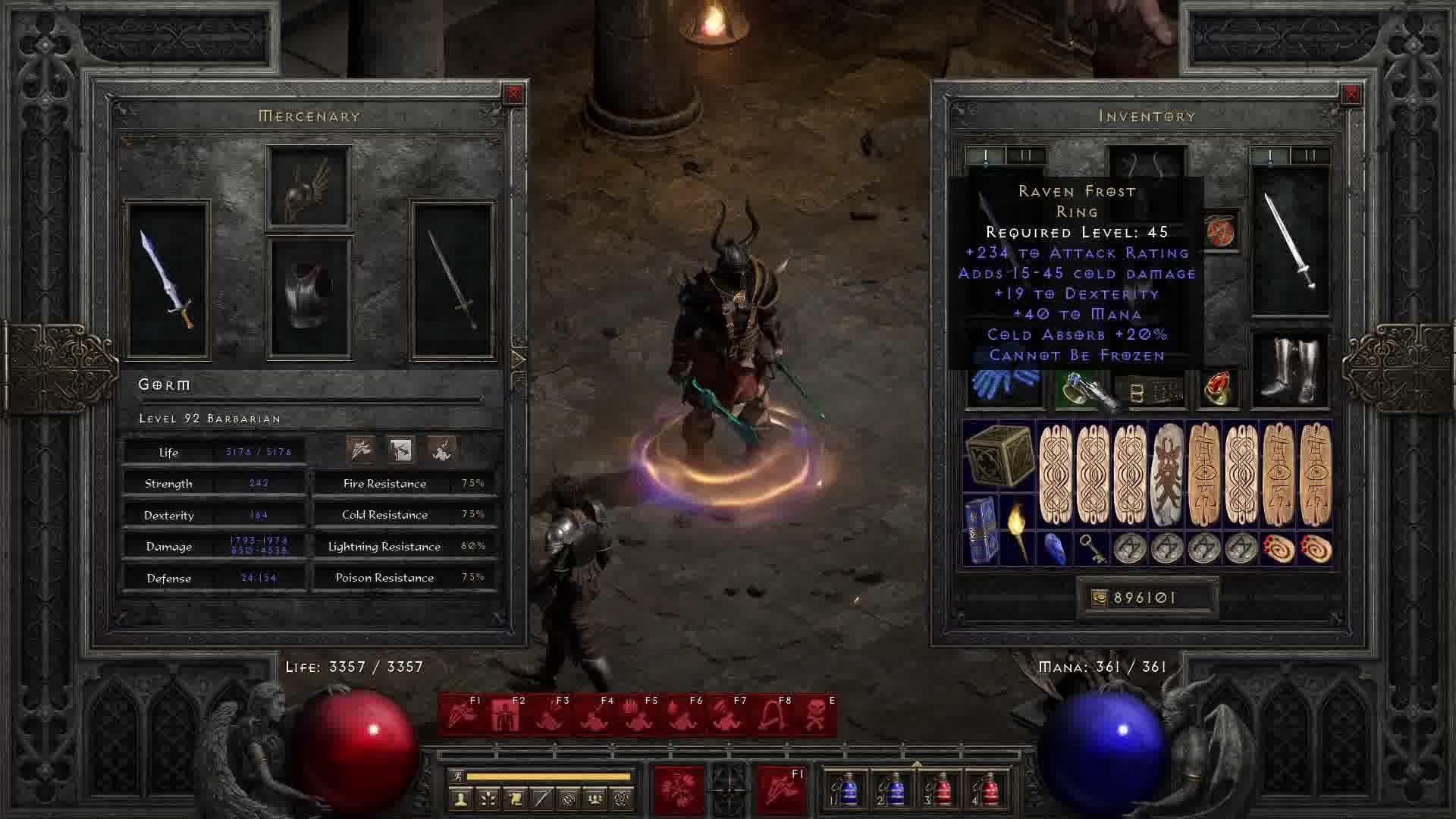
Remastering a beloved game is a difficult task. Developers must satisfy modern expectations without destroying the qualities that made the original special. Diablo II: Resurrected succeeds largely because its visual transformation is ambitious while its underlying philosophy remains conservative.
The original Diablo II emerged at a time when dark fantasy games looked dramatically different from contemporary releases. Its environments were constructed from comparatively limited graphical technology, yet artistic direction compensated for those limitations. The result was a world filled with shadows, muted colors, oppressive architecture, and unsettling creatures.
D2R reconstructs those environments using modern 3D technology. Characters, monsters, buildings, landscapes, weapons, armor, and spell effects have all been given a dramatic visual upgrade. Lighting contributes significantly to the atmosphere. Torches illuminate dark rooms, magical effects produce vivid flashes, and environments feel more dimensional.
Yet the remaster does not abandon the original. One of its most celebrated features is the ability to switch between the modern presentation and the classic visual style. This creates an unusual experience in which players can directly compare two generations of graphics while continuing to play the same game.
The feature is more than a novelty. It demonstrates how carefully the remaster was designed. Rather than pretending the original graphics never existed, buy D2R Ladder Items acknowledges its history and places the old and new versions side by side.
The game's cinematic sequences also received substantial attention. The original storytelling moments became iconic among players, and the remaster reconstructs them with contemporary production values. This helps the narrative remain compelling for audiences who may not have experienced the original release.
Audio contributes another important layer. Dark environments are supported by atmospheric sound design, combat effects, music, and environmental details. In a game built around exploration, sound helps create tension. Entering a dungeon should feel different from standing in a safe town, and the audio design reinforces those contrasts.
Importantly, improved presentation does not fundamentally change the rhythm of combat. Players still click, cast, attack, dodge, manage resources, collect loot, and navigate dangerous environments according to the familiar structure.
This distinction is critical. A remaster can improve graphics without redesigning the game. The goal is not necessarily to make a classic behave like a modern title. Instead, the objective is to make the original experience easier to appreciate on contemporary hardware.
That approach is particularly valuable for players discovering the series for the first time. Someone unfamiliar with the original can enjoy a presentation that looks substantially closer to modern expectations. At the same time, longtime fans can recognize the familiar environments, monsters, skills, and item systems that defined their memories.
The game's atmospheric identity is particularly impressive. Sanctuary is not a cheerful fantasy world. Towns provide temporary safety, while wilderness areas, caves, crypts, deserts, jungles, and demonic fortresses create an increasingly oppressive journey. The visual upgrade enhances these contrasts without turning the game into something fundamentally different.
This is also where the game's loot system benefits from improved presentation. Weapons and armor have more visual presence, while magical effects make combat easier to appreciate. Finding powerful equipment feels satisfying partly because the item itself has a recognizable identity.
Some players also discuss D2R Items as part of the game's broader ecosystem of equipment collection, trading, and character development. Regardless of how players acquire their gear, the visual identity of weapons and armor reinforces the feeling that equipment is more than a list of numbers.
The remaster also benefits from modern platform support. Players no longer need an old computer or legacy operating system to experience the game in its updated form. Modern consoles and PC hardware allow a broader audience to explore Sanctuary.
However, the most impressive achievement is not any individual graphical effect. It is the balance between modernization and preservation. Too much change could have alienated longtime fans. Too little change would have made the game feel dated to new players.
D2R occupies the middle ground. It looks modern while playing like the classic. It introduces convenience while preserving challenge. It improves accessibility without removing complexity.
That balance explains why the remaster is more than a simple graphical upgrade. It functions as a bridge between two eras of gaming. Players who remember the original can revisit it with modern presentation, while newcomers can discover the systems that influenced countless games that followed.
The result is a remarkable example of how classic software can be preserved without freezing it in time. Diablo II: Resurrected does not ask players to choose between nostalgia and modern technology. It offers both simultaneously.